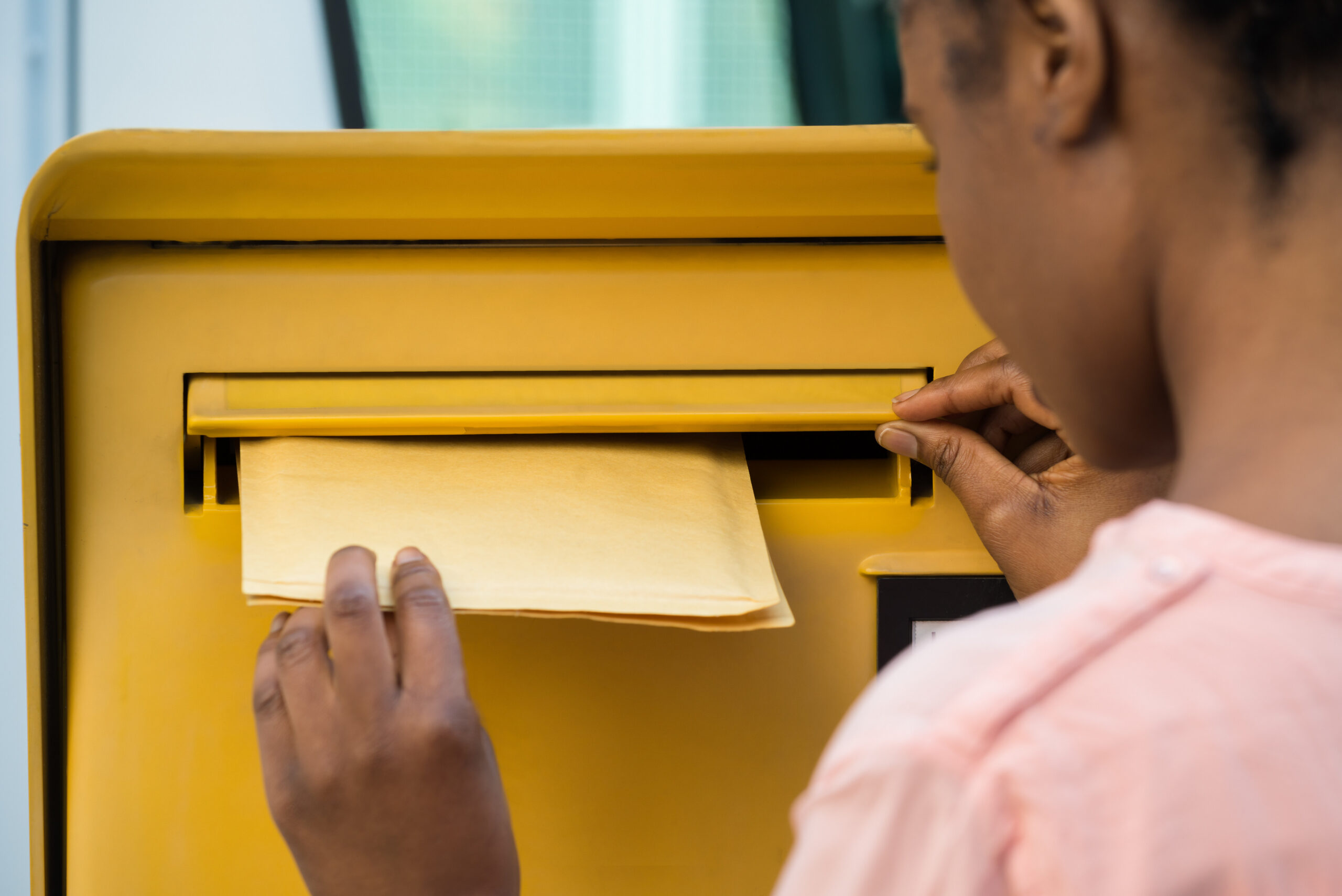
The Slow Lane Can Be the Fast Track
When it comes to entering sweepstakes, speed usually wins the conversation. Autofill, one-click forms, and quick daily entries let you rack up dozens of chances before lunch. So it might sound strange to suggest slowing down, grabbing a pen, and sending something through the mail. But that’s exactly why mail-in entries can be such a smart move. While nearly everyone else races through online forms, the people willing to take the slow lane are often stepping into a much smaller crowd.
Mail-in entries aren’t a novelty. They’re a built-in feature of many sweepstakes, sitting right there in the official rules, and plenty of entrants never even notice they exist. If you’re looking for an edge that doesn’t require special tools or hours of extra time, this is one of the easiest places to find it.
Where Mail-In Entries Come From
The reason mail-in options exist comes down to how sweepstakes are regulated in the United States. A promotion that includes a prize, a random drawing, and a required payment is generally treated as a lottery, and private companies typically can’t run lotteries. To stay legal, sweepstakes remove the payment requirement. That’s the meaning behind “no purchase necessary,” and it’s why promotions tied to purchases, like codes printed on products or receipts from a store, must also offer a free way to enter.
That free path is called an alternate method of entry, and a mailed card is one of the most common forms. Here’s the part that matters most for you: the free method is generally intended to give entrants the same chance of winning as a purchase-based entry. Your postcard isn’t a consolation option. It’s a real entry that can carry real weight in the drawing.
Effort Filters Out the Competition
Your odds in a random drawing depend on how many entries are in the pool and how many belong to you. Online entries are so quick that they pull in huge numbers of casual participants, many of whom enter once on a whim. Mailing an entry takes a card, an envelope, a stamp, and a few minutes of neat handwriting. That small hurdle is enough to stop most people, and when fewer people make the effort, each mailed entry represents a larger share of whatever pool it lands in.
That said, it’s smart to keep expectations grounded. A blockbuster national promotion may still draw a mountain of mailed entries from experienced players, and some sweepstakes limit mail-in entries to just one per person. But regional promotions, smaller brands, and sweepstakes that aren’t advertised everywhere often receive far less mail than you’d guess. Those are the sweet spots worth targeting. Promotions that run during busy stretches of the year, like the holidays or back-to-school season, can be especially promising, since many people are too distracted to bother with anything that requires a trip to the mailbox. Sweepstakes with short entry windows can also see lighter mail volume, simply because fewer people notice the mail-in option before the deadline arrives. Keeping an eye out for these patterns helps you aim your effort where it’s most likely to matter.
Where Mail-In Entries Go Wrong
The biggest threat to a mail-in entry isn’t the competition, it’s a technicality. Sponsors often spell out exactly how entries should look, and any entry that doesn’t follow those instructions can be thrown out quietly. The most common slip-ups tend to fall into a few predictable categories, and knowing them in advance keeps your stamps from going to waste:
- Using the wrong card size when the rules specify a 3″ x 5″ card
- Typing or using a printed label when the rules require hand-printed information
- Leaving out required details like age, phone number, or a specific phrase
- Mailing several entries in one envelope when the rules allow only one per envelope
- Mixing up a postmark deadline with a “received by” deadline and mailing too late
- Sending more entries than the per-person limit allows
That fourth and fifth point catch even experienced entrants. Sending multiple cards in one envelope can void every card inside. A “received by” deadline means the entry has to physically arrive by that date, so a card mailed the day before probably won’t make it. When in doubt, mail early and give the postal service plenty of time.
Make It Easy to Read and Easy to Win
Somewhere along the line, a person or a processing company will handle your entry. If your handwriting is hard to read, your details might be recorded incorrectly, and a winner who can’t be contacted risks losing the prize to an alternate. Print in clear block letters with dark ink, include every piece of information the rules request, and double-check your phone number and email address before sealing the envelope.
Stay consistent, too. Use the same name and address format on every entry so the sponsor can verify your identity easily if you win. And skip the creative flourishes. Stickers, drawings, and extra notes aren’t going to help, and some rules specifically prohibit additional materials.
Turning It Into a Weekly Ritual
The entrants who get the most out of mail-in sweepstakes don’t treat them as a random project. They make them a habit. Picking one evening a week to handle mail-in entries keeps the process light and manageable. Keep your supplies in one spot, including index cards, envelopes, stamps, and a good pen, so you can sit down and get started without hunting for anything.
Tracking is the other half of the routine. Keep a simple log listing each sweepstakes, its mailing address, the deadline, the entry limit, and the dates you mailed each card. This protects you from accidentally exceeding limits, which can disqualify every entry you’ve sent, and it also helps you spot sponsors that run mail-in promotions regularly. Over time, you’ll build a personal list of go-to opportunities that most entrants never discover.
Spending Stamps Where They Count
Postage isn’t free, so it pays to be choosy about where your stamps go. Prioritize sweepstakes with prizes you’d genuinely be excited to win, where the rules make clear that mail-in entries count equally, and where the promotion doesn’t seem to be plastered everywhere online. A handful of stamps aimed at a prize you love, in a smaller pool, is a far better investment than dozens of cards mailed into a massive national drawing.
Setting a monthly budget for stamps and supplies keeps everything fun and under control. When the budget runs out, you’re done until next month, and that natural limit helps you focus on the best opportunities rather than mailing entries out of habit.
Bring the Heat With Every Method
Mail-in entries work best as part of a bigger game plan. Online entries give you volume, daily entries give you consistency, and mail-in entries put you into smaller pools that most people skip. Use all three together and you’ll cover more ground than you ever could with a single approach.
Ready to turn up the heat on your chances? Sign up with Hot7Sweeps for your shot at big cash prizes, and keep building a strategy that gives you more ways to win.